


...working to protect, restore and preserve Ann
Lake and the Ann Lake ecosystem.
TO PROTECT...
EROSION CONTROL
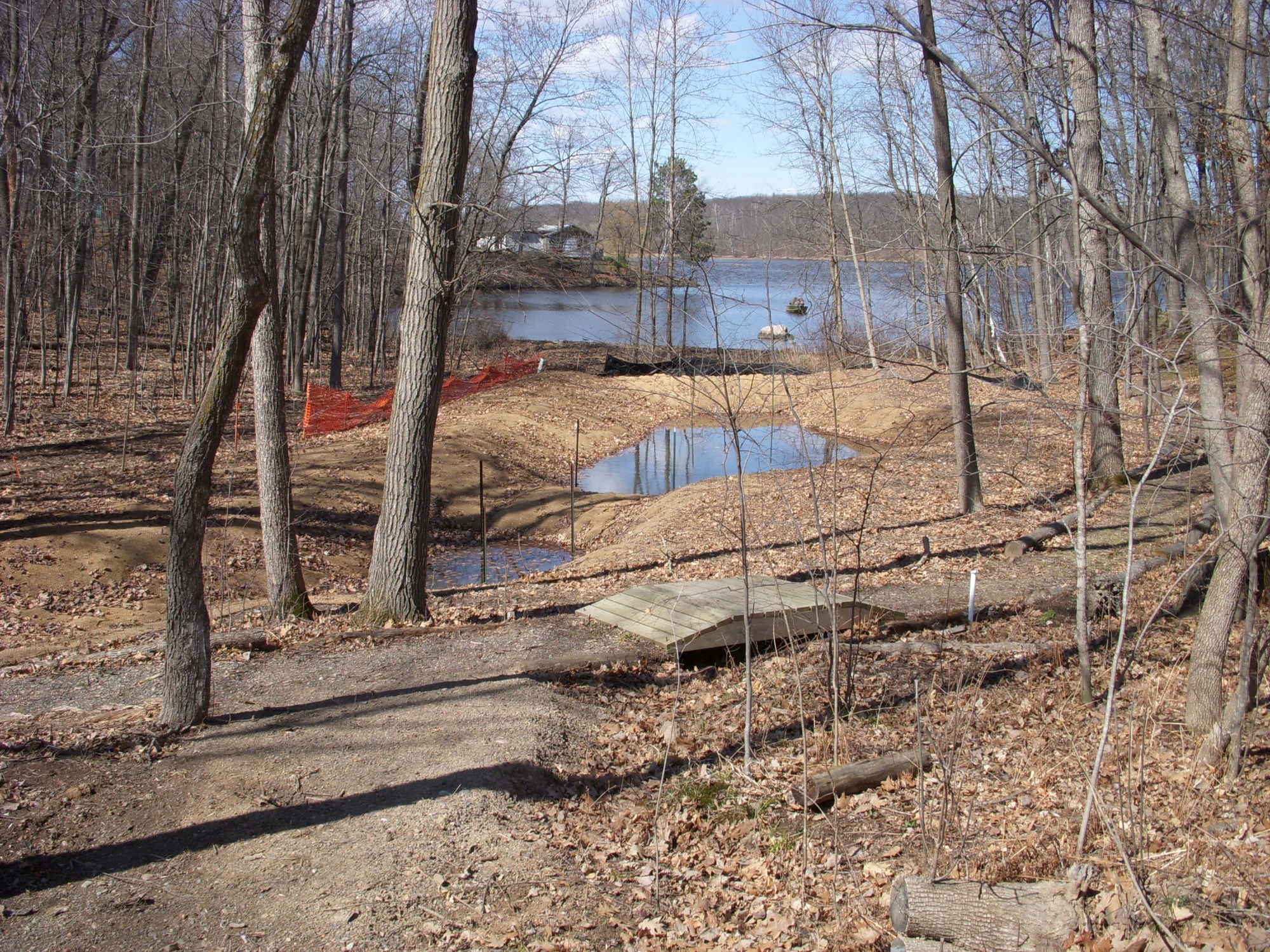
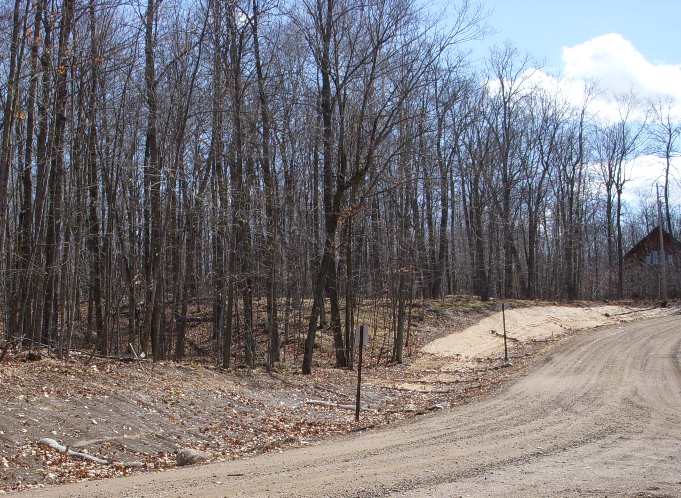
ALWA worked with Ann Lake Township and Kanabec Co. SWCD
officials on two projects to build containment ponds to help stop
storm run off from pushing sediment directly into the
lake.
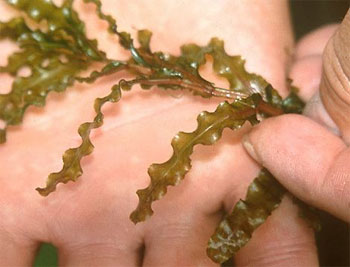
MONITOR CURLY LEAF
PONDWEED
Non-native invasive plant species are a problem because they can
spread rapidly and take over a lake. This causes increased
chlorophyll-a levels, add more phosphorus to the water and
seriously hampers boating recreation. In addition to the
recreational harm they can crowd out the native plants and in
effect diminish the native fish and invertebrate population of the
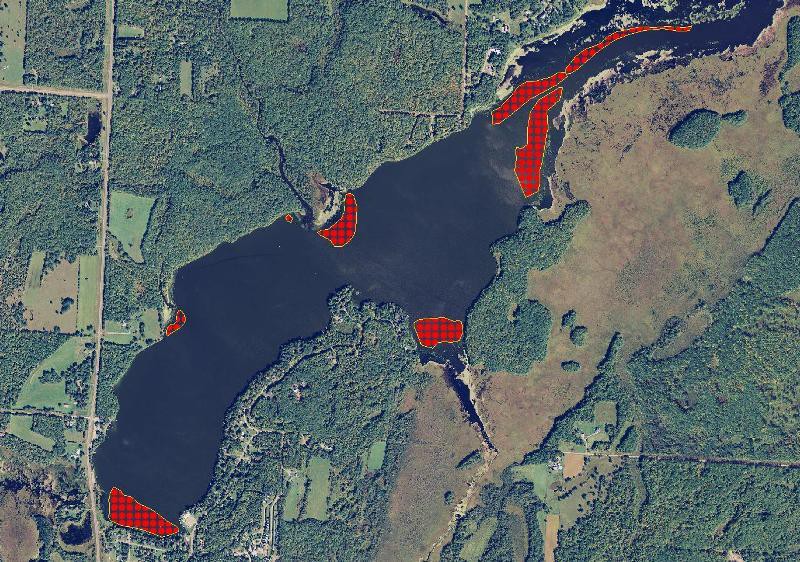
lake. Curly leaf pondweed affects approximately 8% of
the Ann Lake surface. ALWA monitors the location of curly
leaf pondweed by GPS coordinates and sponsors spot spraying of the
weed to control its expansion and improve boating
pathways.
TO RESTORE...
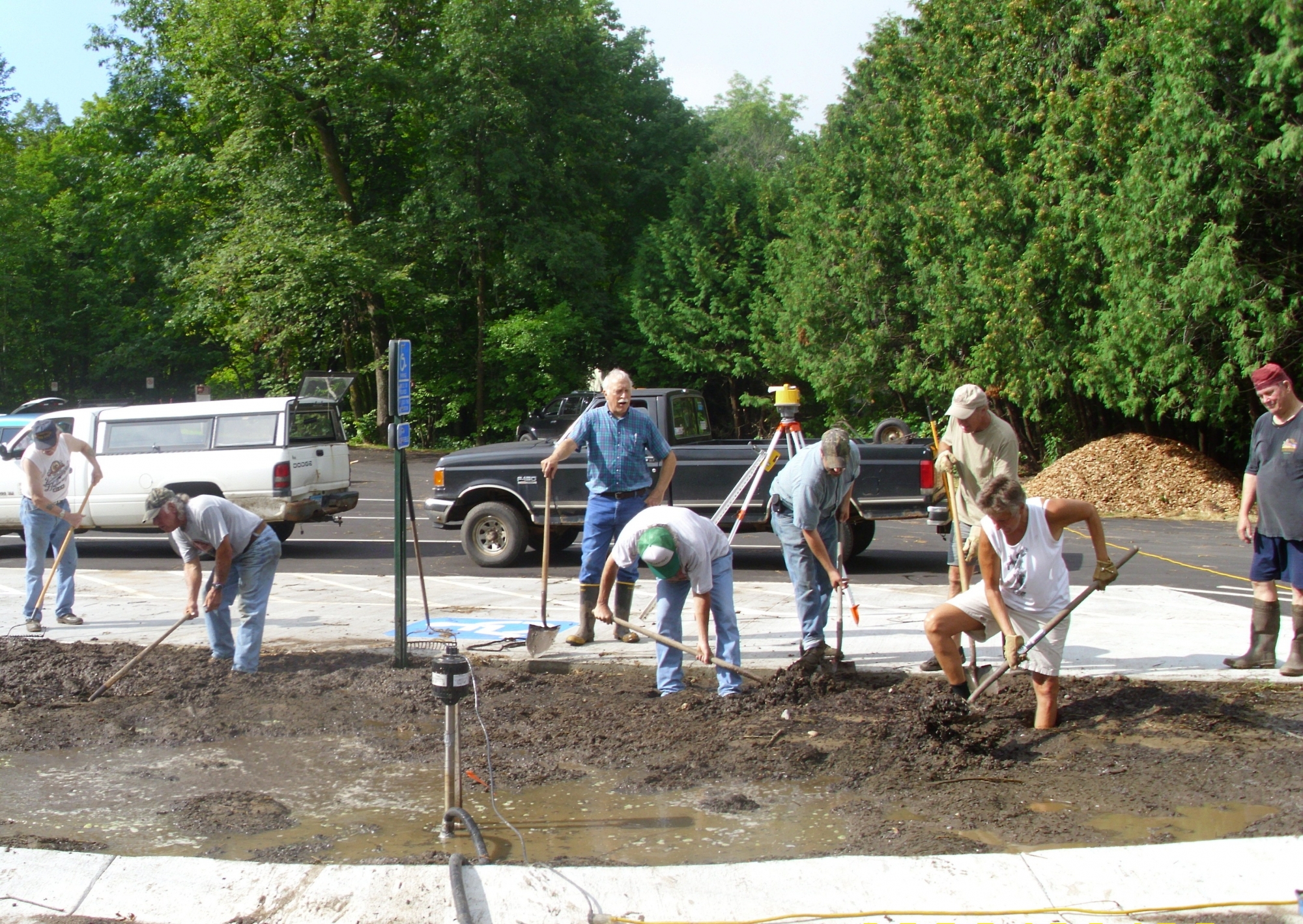
SHORELINE RESTORATION
When the public boat ramp on Ann Lake Road was rebuilt by the
DNR, members of the Ann Lake Watershed Alliance planted native
vegetation in the rain garden island in the parking lot. ALWA
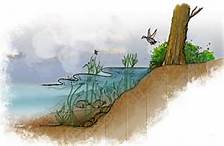
encourages all lake front property owners to help restore the
natural shoreline to protect the lake from run off water and to
improve the fish and macroinvertebrate environment.
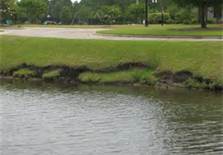
Shorelines like the one below damage the lake and its inhabitants. Fertilizer and other pollutants run directly into the lake increasing the water's nutrient load. Erosion of the bank floods the lake bed with sediment increasing the sediment load and destroying litoral zone habitat needed for a healthy lake ecosystem..
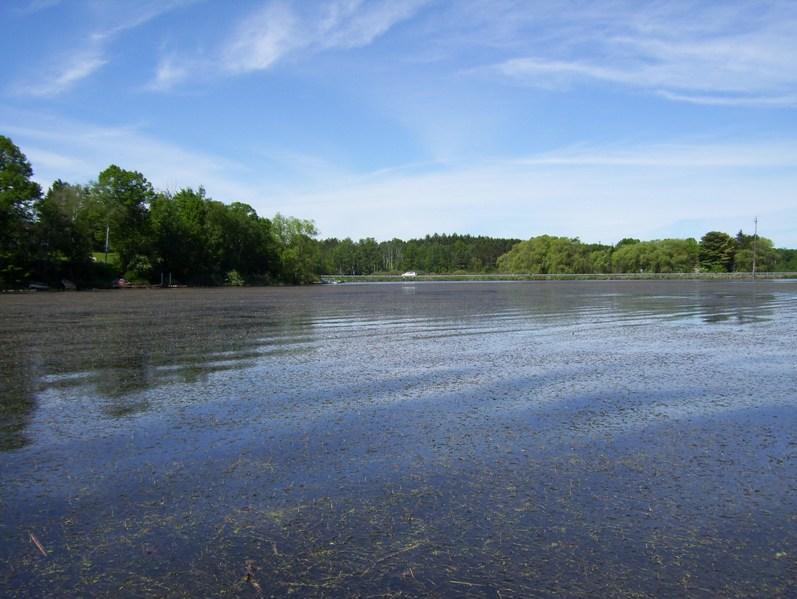
The first picture below show the effects of
Curly Leaf Pondweed on boating and lake appearance. This
picture was taken from the lake looking southwest toward State
Highway 47
TO PRESERVE...
WATER
TESTING
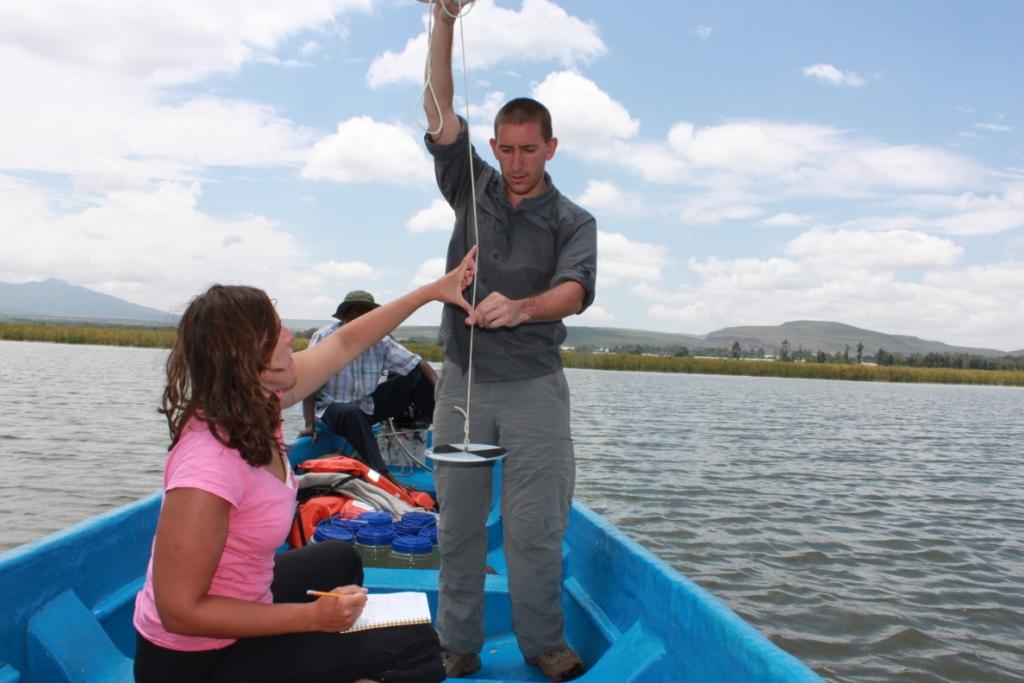
ALWA participated in taking monthly water samples from Ann Lake that were sent to a laboratory to document phosphorus and chlorophyll-a levels for the TMDL. ALWA will resume summer testing on an ongoing basis to monitor the results of the efforts to remove 39% of the phosphorus from the lake.

It's all about the water...
EDUCATION OF AREA RESIDENTS
One way we are helping the implementation of the TMDL plans is
to first educate our members on what land use issues are degrading
the quality of our water and what steps need to be taken to reverse
the decline and restore clean water. When we are educated on
the clean water issues we can share that information with our
friends and other area residents. We can communicate the
importance of supporting the clean water initiatives that will be
the result of the TMDL study.
Please ask your friends and relatives to review all the information on our website. Thanks
The second picture
below shows the locations of curlyleaf pondweed in the 2010
survey.